Tata Trusts and TISS
Bridging the Urban-Rural Technology Divide

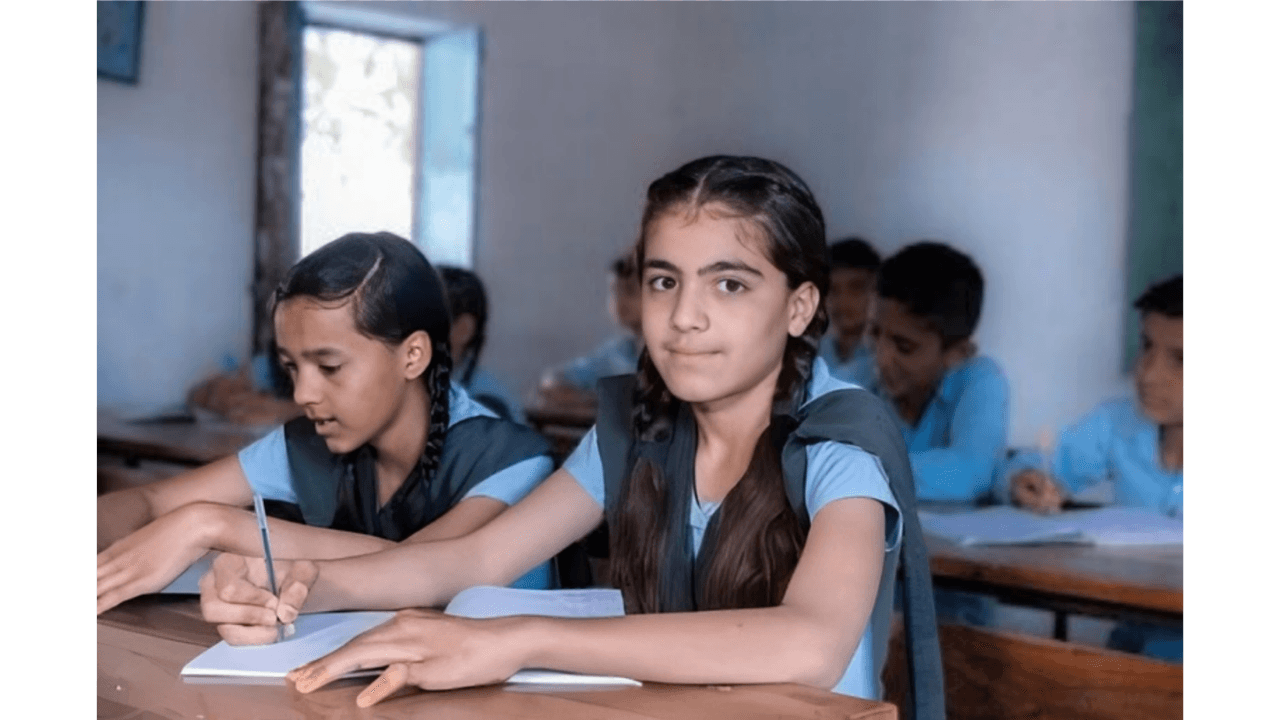
To address the educational challenges faced in rural India, Rukmani Trust partnered with Tata Trusts and Tata Institute of Social Sciences (TISS) to support the Integrated Approach to Technology in Education (ITE) initiative. This collaboration focuses on bridging the urban-rural education divide by improving educational resources and learning outcomes for marginalized communities.
The initiative aims to deploy large-scale integration of technology in teaching and learning for school children in India. The concept was developed by Tata Trusts, which sought to build multi-stakeholder partnerships to enhance deep learning experiences using technology for upper-primary and secondary school children, thereby reducing the digital divide for thousands of underserved students in India.
The initiative had four key objectives:
- Bridge the digital divide and foster digital citizenship
- Create interest in learning, improving attendance and retention in schools
- Enhance learning achievement
- Improve learning processes and pedagogy
Rukmani Trust's contribution to the project focused on bridging the urban-rural education divide by improving educational resources and learning outcomes for marginalized communities.
Enabling Education Through Technology Across West Bengal and Assam
In 2011, Tata Trusts conducted a pilot for the ITE initiative in Murshidabad district of West Bengal. The pilot successfully increased students' interest in learning school subjects and strengthened teachers' ability to integrate technology-enabled student projects into the curriculum. The approach also worked strategically to improve access to these technologies for underserved children.
This pilot formed the basis for expanding the ITE initiative across West Bengal and Assam.
Recognizing the impact of the pilot, Rukmani Trust joined forces with Tata Trusts and TISS to expand access to technology-enabled education in remote villages.
By 2013, ITE had been introduced to three grassroots organizations — Suchana, Vikramshila, and Gramya Vikash Mancha — all three NGOs demonstrated strong adoption and dissemination of student-centred teaching and learning practices.
Collaborative Impact in Rural Education
The Rukmani Trust–Tata Trusts–TISS partnership has significantly transformed education in rural West Bengal and Assam.
The initiative offers a range of programs, including:
- Pre-school education
- ITE-based tuition
- Computer courses
- Health and hygiene initiatives
By 2016, the program had successfully built the capacity of teachers and students to make effective educational use of available digital technologies. It also helped extend these capabilities across diverse languages and cultures, reaching teachers and students who had long been on the disadvantaged side of the digital divide.
Thanks to the efforts of all three NGOs, the initiative reached over 70 schools and approximately 12,000 students across both states. Source [Growth of the ITE multi stakeholder partnership, ITE Paper June 2016, Tata Trusts]
In West Bengal Suchana community-based learning centers in tribal communities played a crucial role in providing children and teachers with digital tools and resources. Read more details about our association with Suchana here.
Vikramshila extended the ITE initiative to around 35 government schools in the state through its engagement with community members. Read more details about our association with Vikramshila here.
In Assam, Gramya Vikash Mancha, an organization actively working in the state's flood-prone areas, helped bring the ITE initiative to several village-based adolescent learning centres. Read more details about our association with Gramya Vikash Mancha here.
Deepening Our Commitment
Rukmani Trust deepened its commitment to the ITE initiative by extending funding and support after the conclusion of Tata Trusts' three-year engagement with Suchana.
Amina Charania, ITE Lead at Tata Trusts, stated in a press note:
"Tata Trusts had a three-year engagement, and it is very encouraging to see Rukmani Trust extend funding and support for this project, which we continue to value deeply. In Rukmani Trust, we see a like-minded and committed organization. We are confident that Suchana and Rukmani Trust will continue to build on the legacy created, and we will stand by them as a support partner."
Emphasizing Rukmani Trust's conviction in technology and education, Trustee Gitanjali Krishnan said, "Technology is a great leveller and enabler. By leveraging digital tools, we aim to support women and youth in rural India through education and skill development."
Scaling the impact with Digital Badges
The collaboration further evolved during the pandemic with Digital Badges, an initiative aimed at accelerating and evaluating Teacher Professional Development in rural India.
Digital badges have become a visual symbol through which individuals and organizations can recognize and communicate skills, learning achievements, competencies, and certifications. They are increasingly recognized globally as a way to structure, acknowledge, reward, and monitor professional learning.
Digital badges are now becoming globally recognised as a means for structuring, acknowledging, rewarding and monitoring professional learning. Read more about Digital Badges.
Over the course of these 10 years, the partnership with Tata Trusts, TISS and Rukmani Trust underscores the power of technology, community engagement, and philanthropy in transforming rural education.
By addressing gaps in educational resources, Rukmani Trust and Tata Trusts are helping lay the foundation for a more equitable future, where every child, regardless of background, has access to quality education.
To learn more about this collaboration, visit TISS's webpage.
